



World Earth Day: Meet the five incredible animals you didn’t know were in the Cayman Islands
As clients look beyond traditional city breaks, data shows a shift towards wildlife-first travel. A striking 83% of European adults* say they intend to book a holiday to encounter wild animals, while online searches for ‘wildlife travel’ have jumped 36%, signalling a nationwide appetite for nature-rich experiences.
At the centre of this is the Cayman Islands. Despite its size, the trio of islands boast an extraordinary diversity of wildlife, from ancient reptiles to rare seabirds and world-renowned marine life, supported by decades of conservation work. With sun drenched forests, dramatic limestone cliffs and some of the best visibility in the Caribbean, the Cayman Islands offer UK travellers the very thing they’re now prioritising; encounters with nature.
Below are five of the unexpected wildlife stars that travellers can spot across the islands and the institutions helping to protect them.
The Blue Iguana
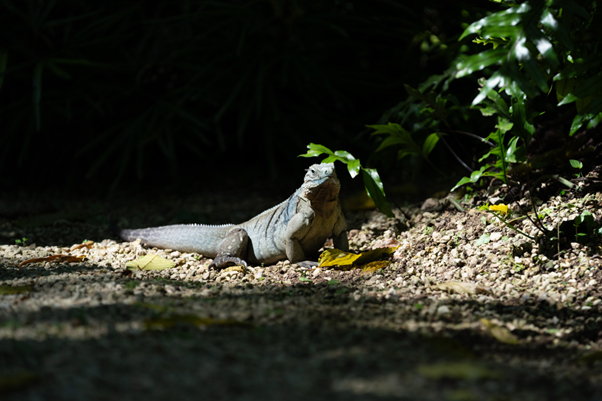
Once teetering on the brink of extinction with fewer than 30 left in the wild in the early 2000s, Grand Cayman’s Blue Iguana, an endemic species, has become one of conservation’s greatest success stories. Thanks to long-running breeding programmes and habitat protection, more than 1,200 have now been reintroduced, giving visitors a rare chance to see these prehistoric, electric blue giants basking in protected reserves.
The Red-Footed Booby
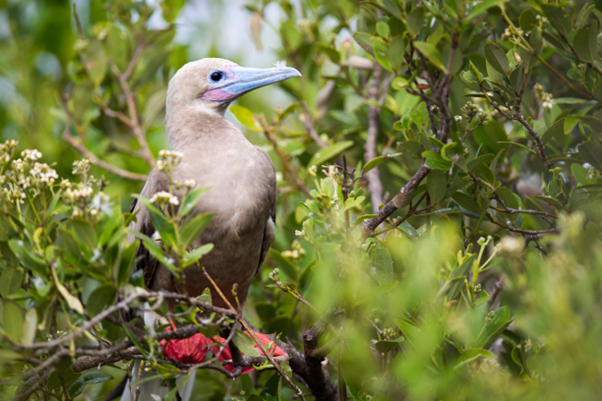
Little Cayman’s Red‑footed Boobies gather in one of the largest colonies of its kind in the Western Hemisphere. Nesting at the Booby Pond Nature Reserve, these striking seabirds create a spectacular scene as they wheel above mangroves, returning at dusk in dramatic, sky‑darkening flocks.
The Blue-throated Anole
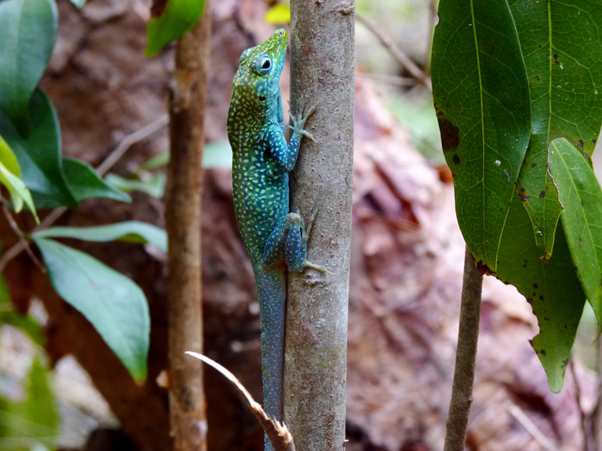
The Cayman Islands is a hotspot for unique lizard species, including the vibrant Blue-throated Anole. Often spotted during territorial displays, males extend a brilliant throat fan that gleams against the forest canopy; a surprise favourite for wildlife spotters.
Coral reefs teeming with lif
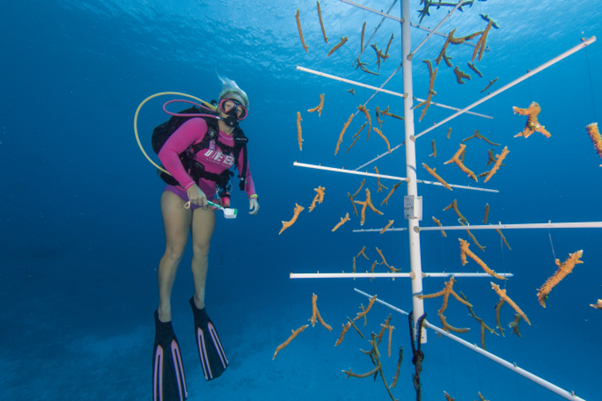
Cayman’s reefs are making waves (literally) as some of the most vibrant in the Caribbean. Divers and snorkellers can see swirling schools of reef fish, shimmering angelfish, and tiny endemics like the Splendid Shy Blenny hiding in coral crevices. These reefs form a living underwater kaleidoscope that defines the Cayman Island’s world‑class marine identity and provides some of the most accessible wildlife encounters anywhere in the region.
Sea turtles
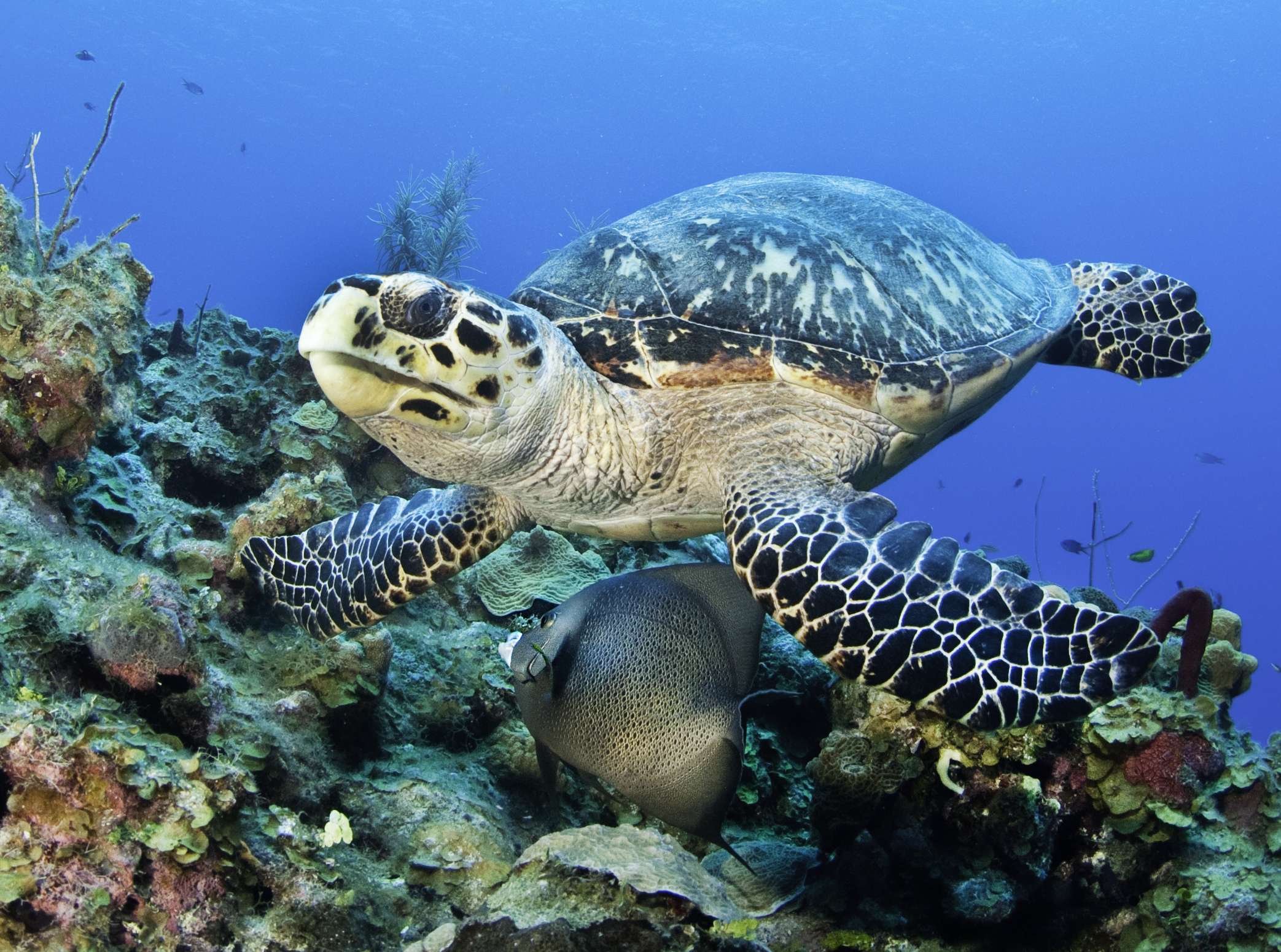
Centuries after Christopher Columbus dubbed the islands Las Tortugas for their abundance of turtles, the Cayman Islands remain one of the Caribbean’s best places to encounter these gentle ocean wanderers. Three species, green, hawksbill and loggerhead, glide through lagoons, nest on sandy shores, and captivate travellers at hotspots like Spotts Beach and Turtle Reef. Conservation efforts continue to protect these ancient mariners as they reclaim their historic water.
The extraordinary wildlife on the Cayman Islands wouldn’t be possible, without these three institutes:
National Trust for the Cayman Islands
Founded in 1987, the National Trust has protected more than 3,623 acres of environmentally significant land across the islands, safeguarding vital habitats for native birds, reptiles and marine life. The Trust played a pivotal role in the Blue Iguana Recovery Programme, helping bring the species back from near extinction.
Queen Elizabeth II Botanic Park
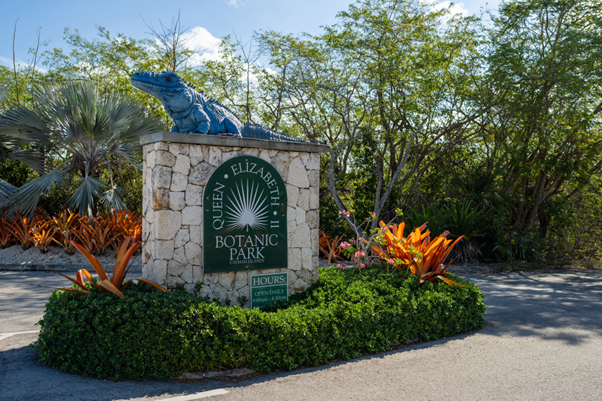
Part visitor attraction, part conservation powerhouse, the Botanic Park is home to the Blue Iguana Conservation Facility, where visitors can take behind-the-scenes tours of active breeding and research efforts. Its 60+ acres of gardens, forests and wetlands also house rare flora, including the national flower — the Wild Banana Orchid — showcased along the Orchid Boardwalk.
Central Caribbean Marine Institute (CCMI)
Based on Little Cayman, CCMI is a world respected marine research centre focused on reef resilience. The team has propagated over 1,000 coral fragments from parent colonies and established both shallow and deepwater nurseries to strengthen biodiversity across local reef systems. Their work provides vital data that supports reef restoration across the Caribbean.
For more information, go to: www.visitcaymanislands.com.
*Research conducted by Scott Dunn Autumn 2024 Travel Trends Report
Gallery




Subscribe to our E-Zine
from latest edition

Azamara Cruises and AmaWaterways Unite for Exclusive Irish Trade Events
Azamara Cruises, the premium small-ship cruise line renowned for its Destination Immersion® experiences and Extended Destination Days, and AmaWaterways, the award-winning luxury river cruise lin...
Read more
Tourism Ireland leads sales blitz to Canada
Tourism Ireland, together with a delegation of 16 tourism companies from the island of Ireland and Canada, is undertaking a five-city sales mission in Canada this week. The delegation will meet ...
Read more
Paradisus Salinas Lanzarote – A Standout Luxury Option for Irish Travel Agents
Following a recent visit to Lanzarote, Don Shearer (MD, Travelbiz & Travelfinders) experienced first-hand the exceptional quality of Paradisus Salinas Lanzarote by Meliá, as part of a wider prog...
Read more
Registrations Now Open: Walk for Wellness 2026
Registrations Now Open: Walk for Wellness 2026
Read more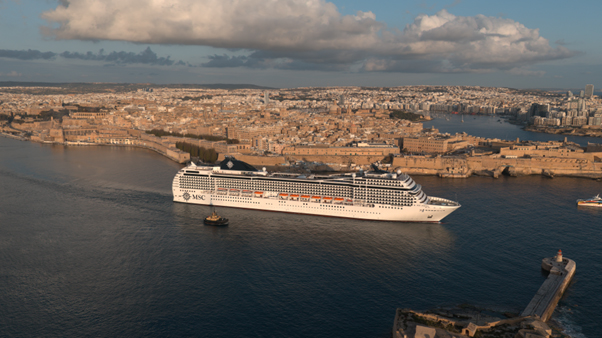
Newly Transformed MSC Poesia set to sail for Alaska ahead of her 2026 Summer season
MSC Cruises invites guests to discover the newly enhanced MSC Poesia, which has successfully completed her dry dock refurbishment at the Palumbo Malta Shipyard. The ship now features a wide rang...
Read more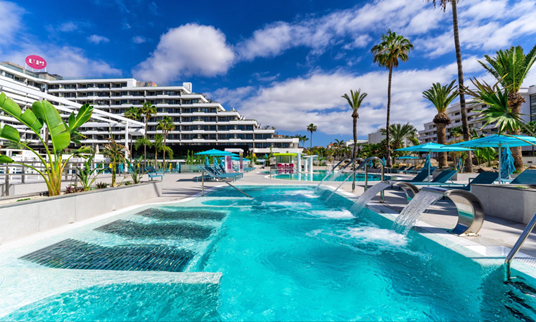
Spring50 offer from Spring Hotels gives agents €50 stays in Tenerife
Spring Hotels is celebrating spring with a fresh package of incentives for travel agents, designed to reward their hard work while showcasing the group’s diverse hotel portfolio. With six hotels...
Read more